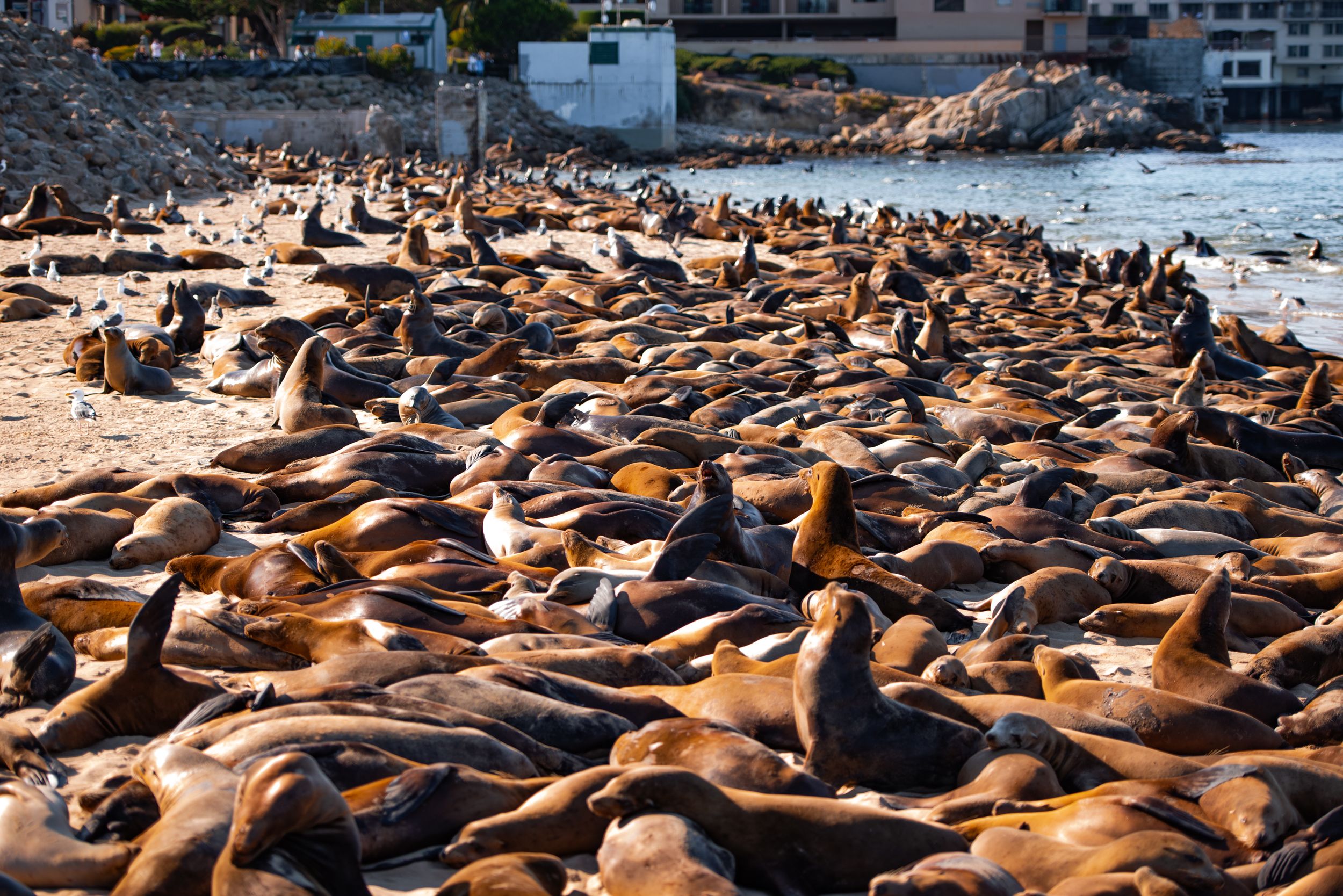
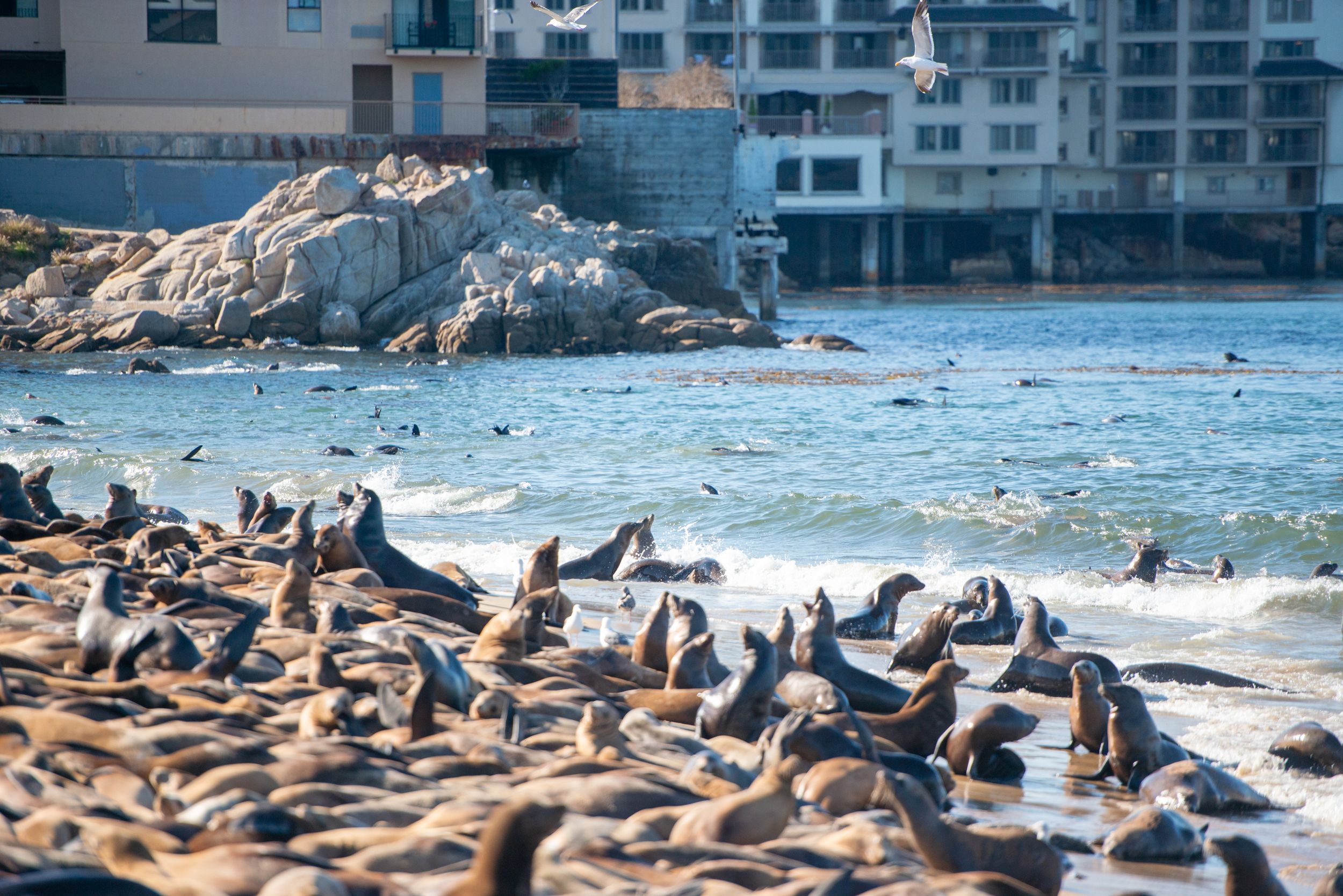
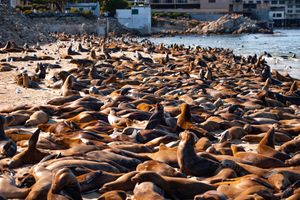
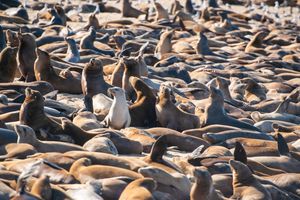
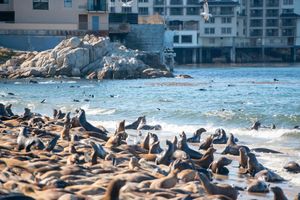
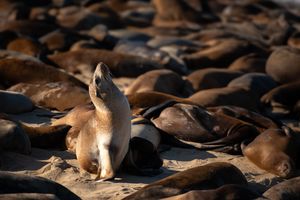
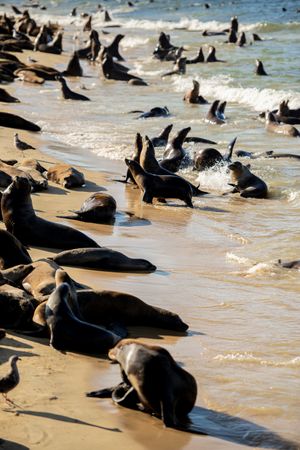
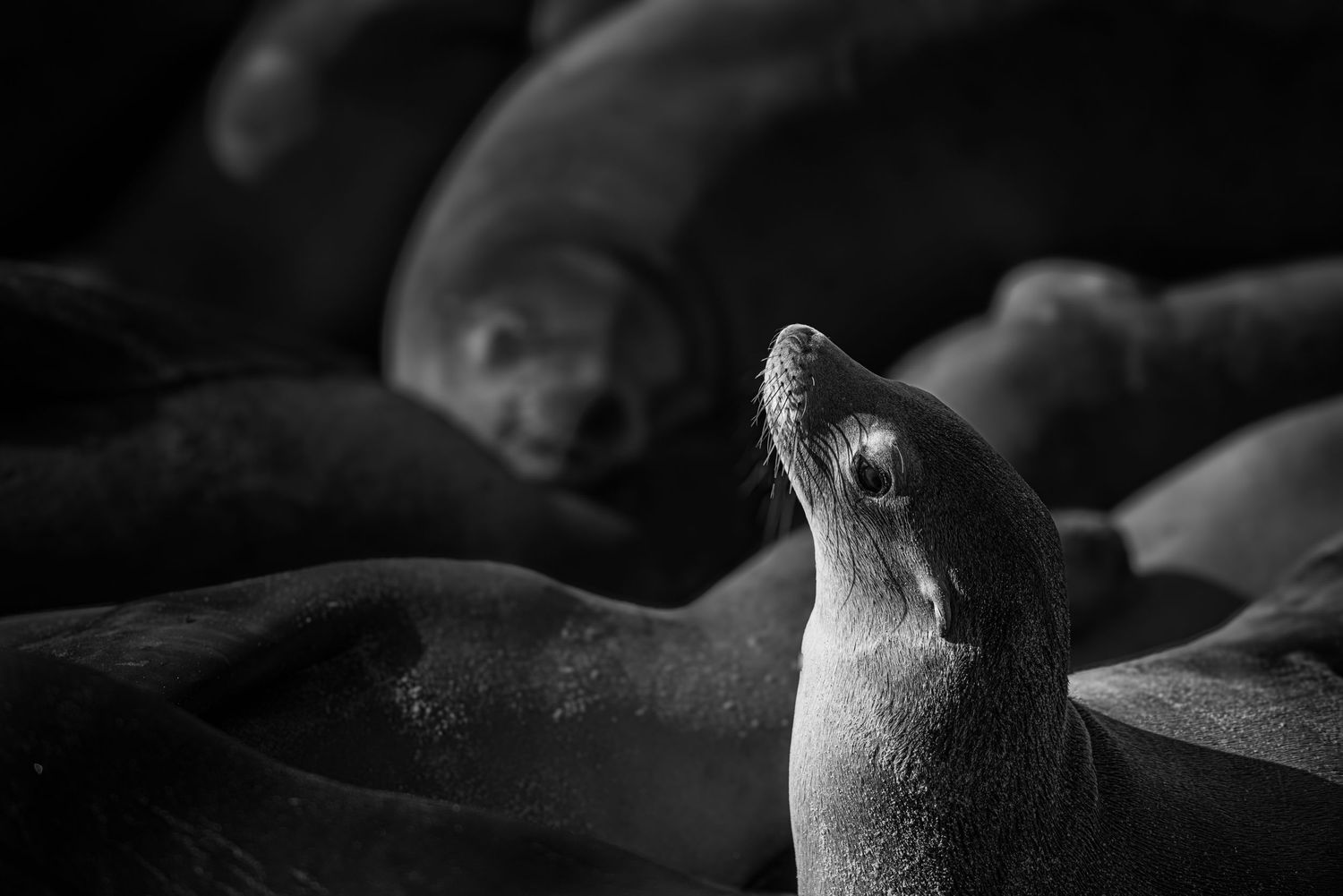
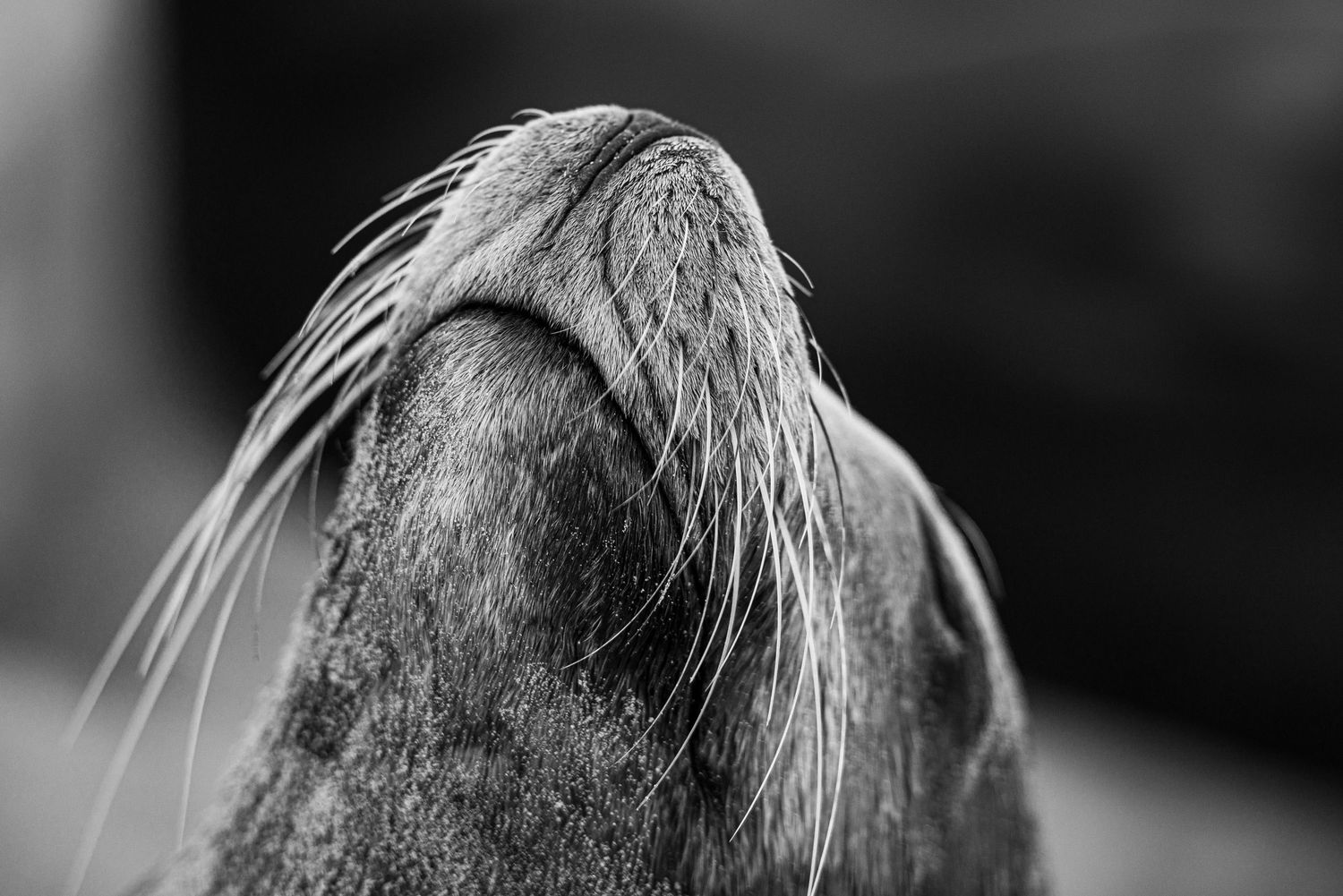
Every year along the shores of Monterey Bay, something remarkable happens. Beaches that are normally quiet and open suddenly become crowded with the loud barks and restless movement of sea lions. For many people, this seasonal arrival changes their plans—favorite beaches become temporarily off limits as hundreds of animals take over the sand.
For me, however, it has become something I look forward to.
The annual gathering of California sea lions along the coast near Monterey Bay transforms the landscape in ways that are both chaotic and beautiful. What might seem like an inconvenience at first becomes an opportunity to witness a powerful wildlife event unfolding right in front of us. Instead of avoiding the beaches during this time, I bring my camera.
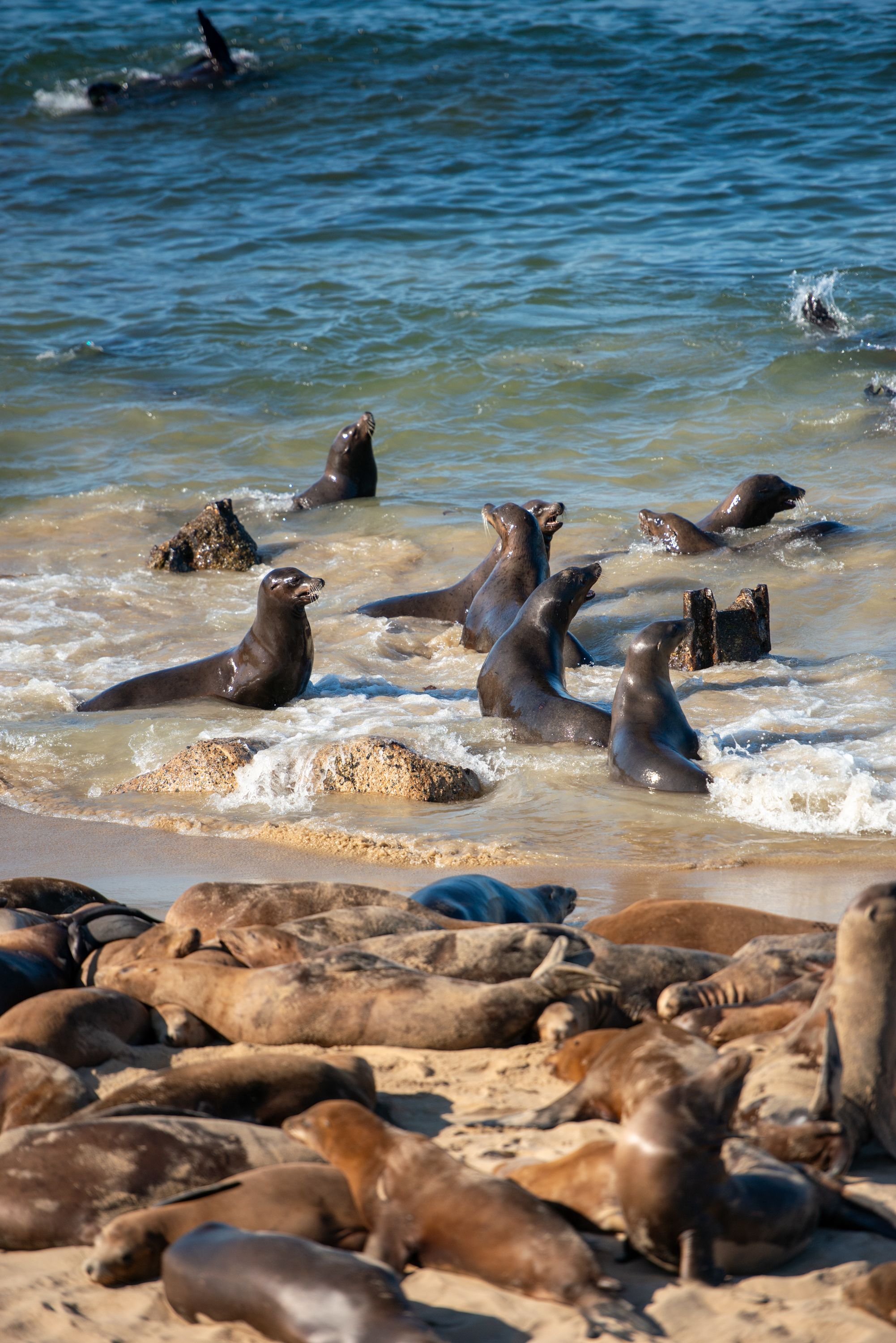
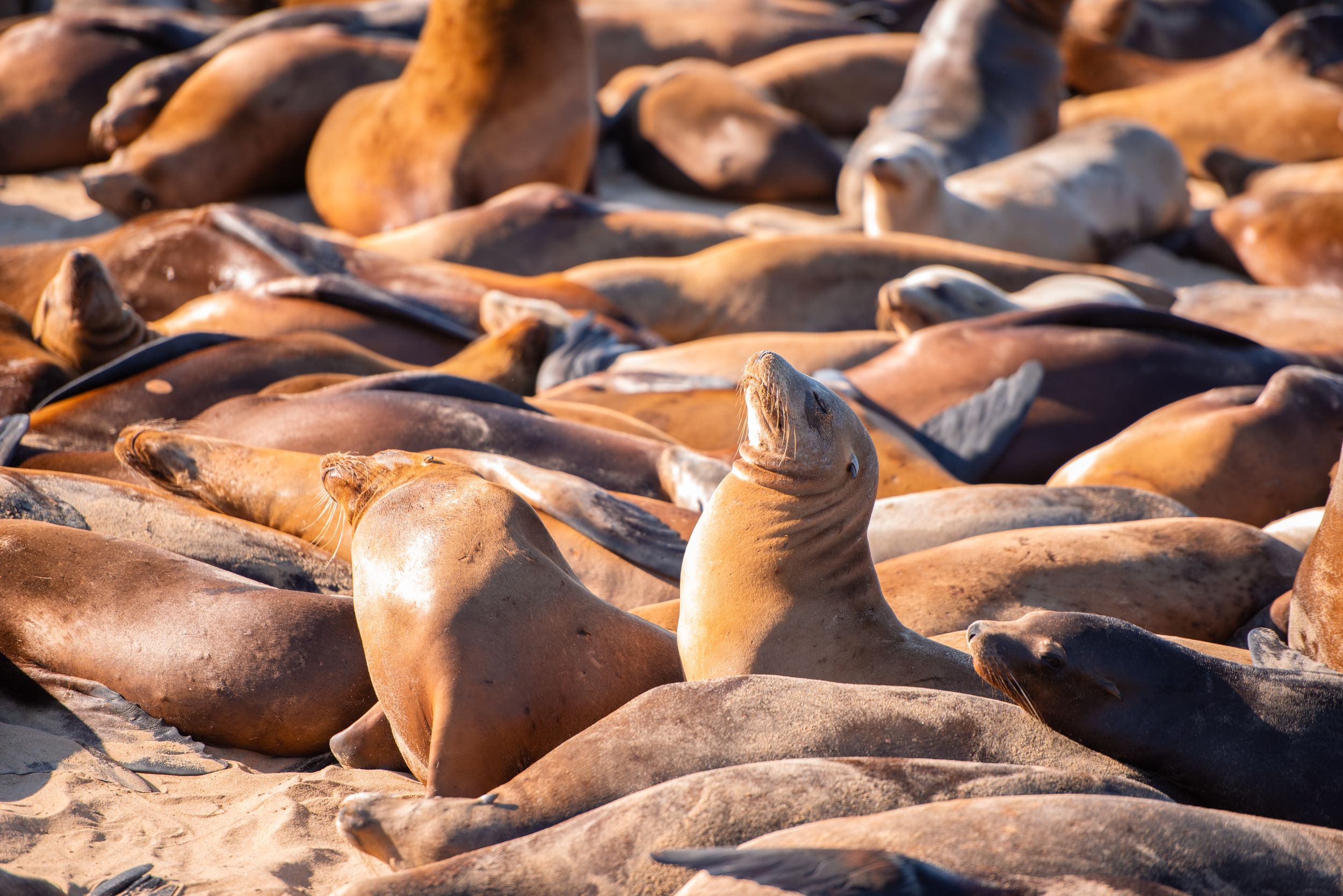
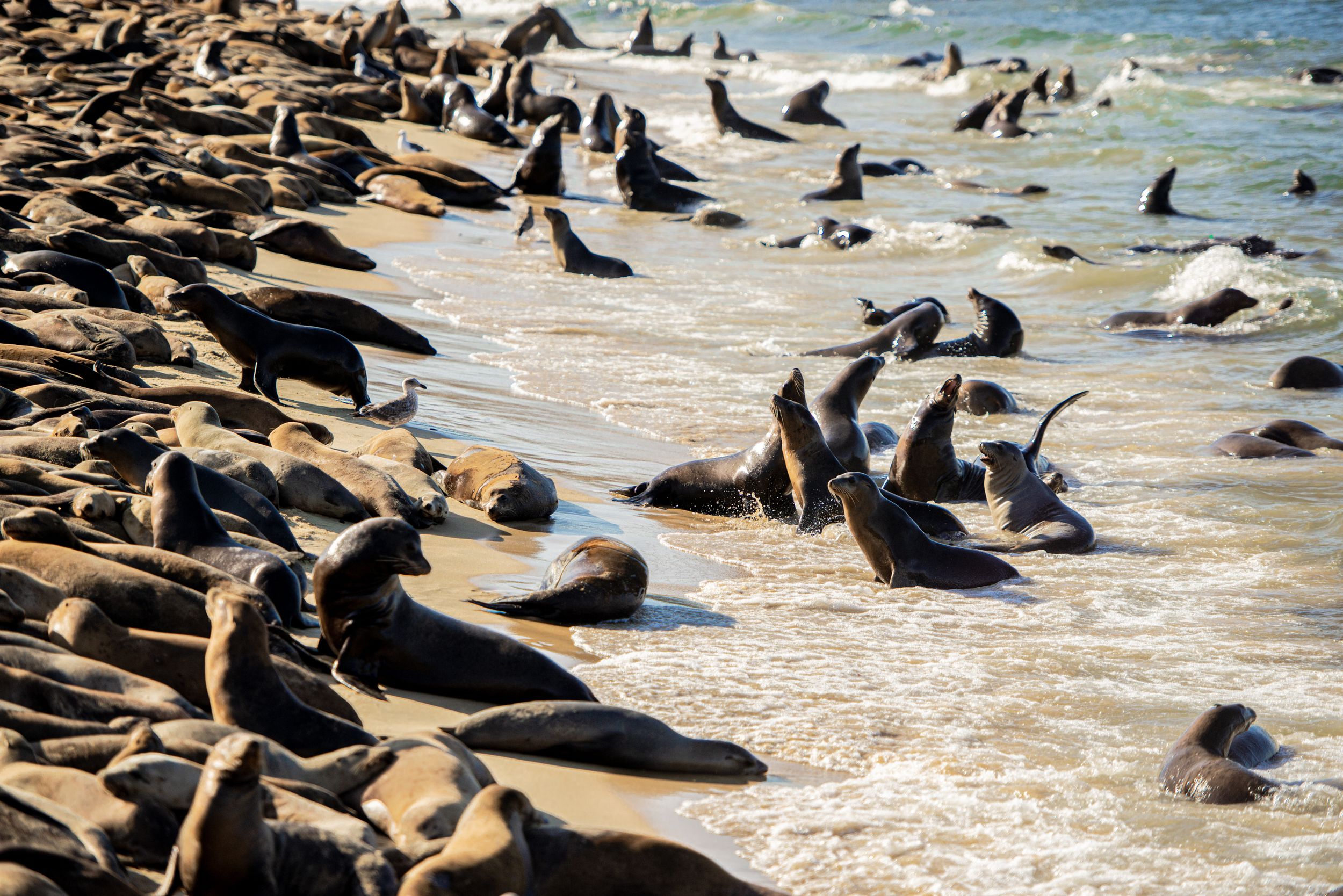
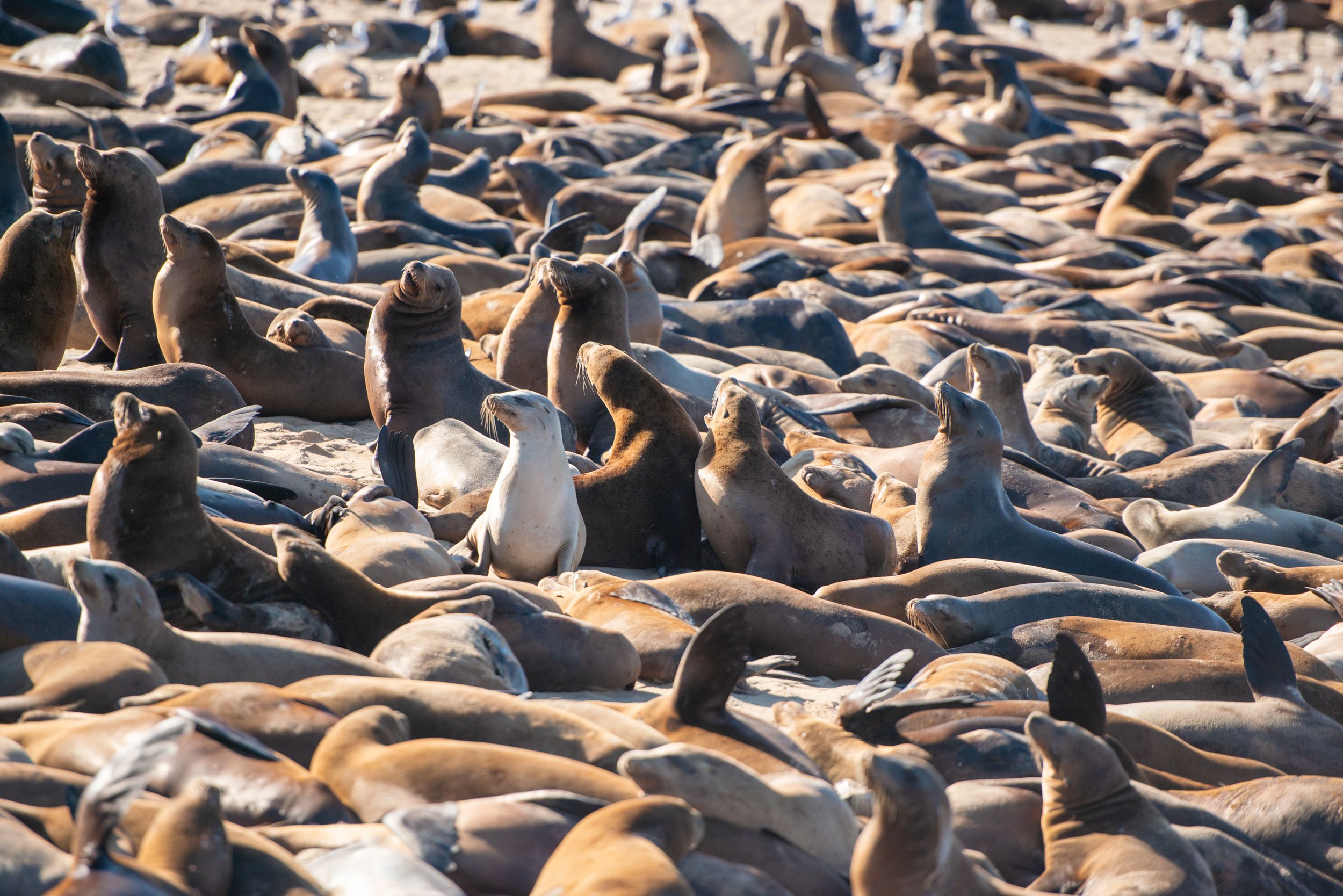
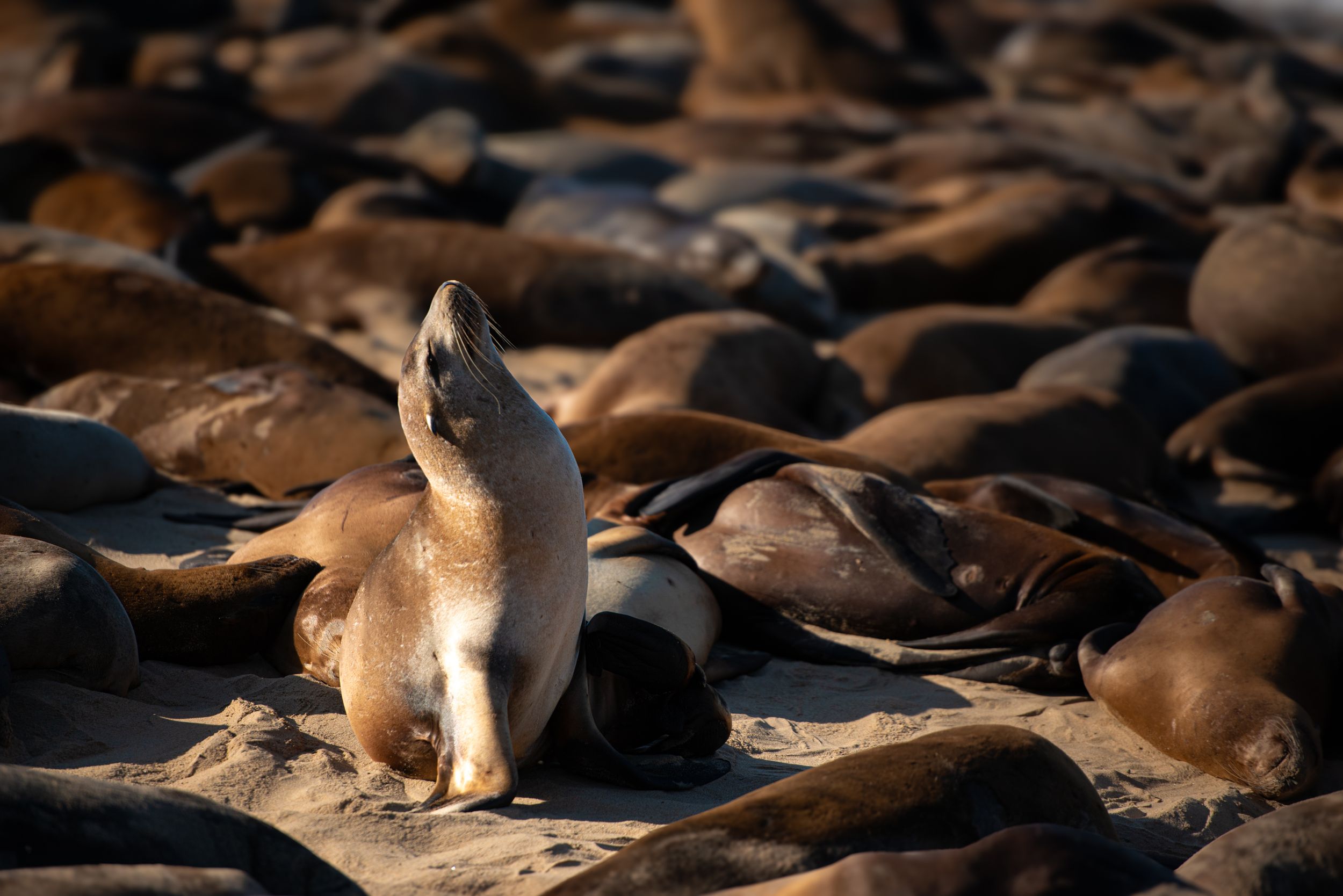
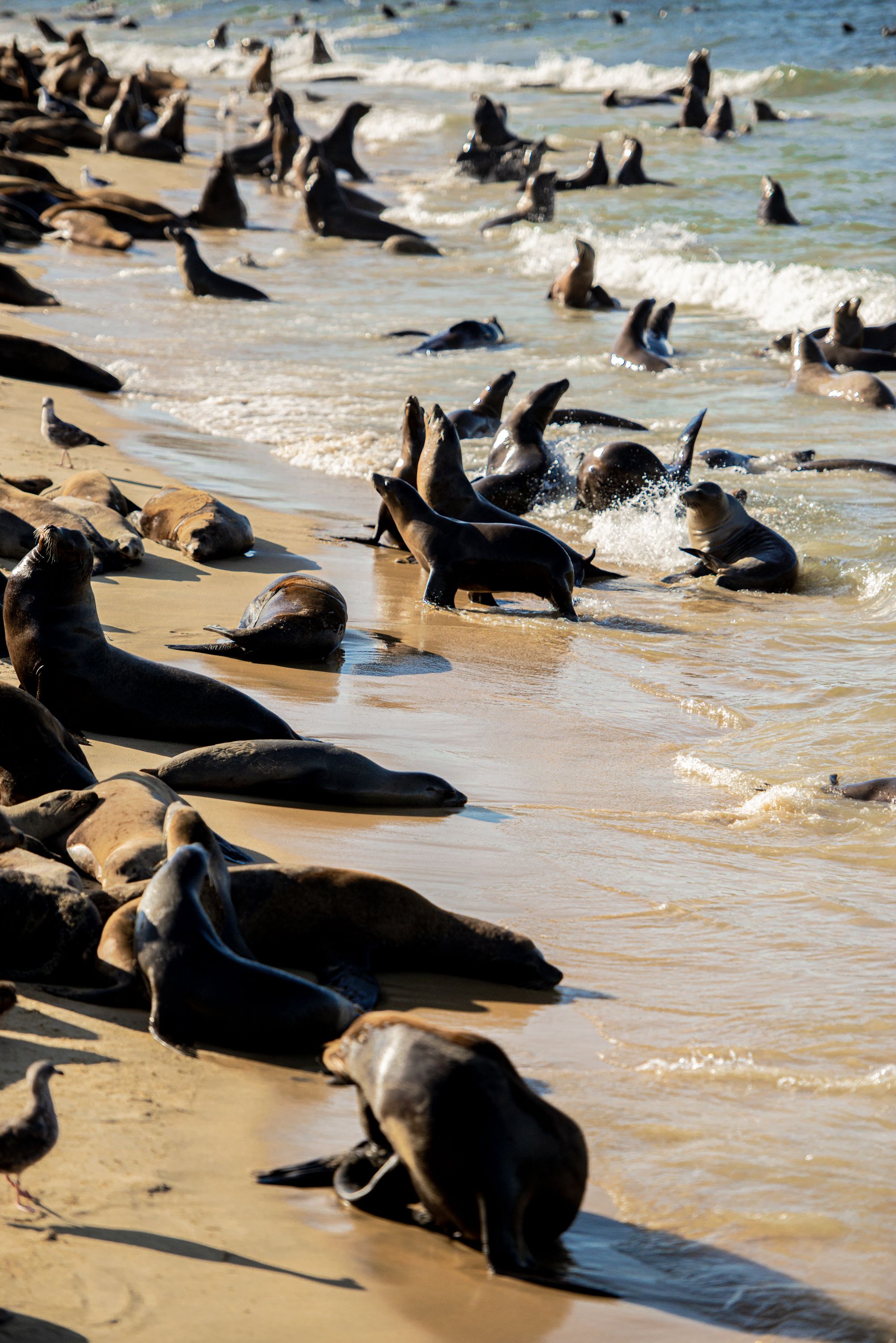
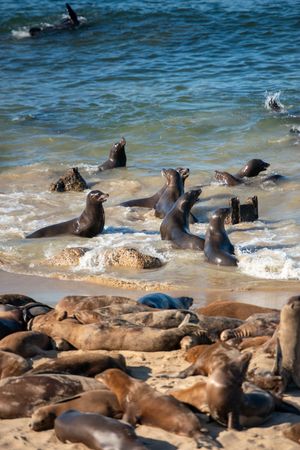
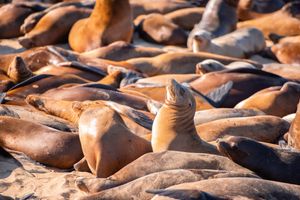
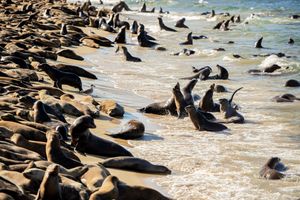
The scene is incredible. Sea lions cover the shoreline in layers, sprawled across the sand in the sun. Their calls echo across the water while others shuffle, stretch, or tumble over one another to find space. The beach becomes a living, moving composition—full of textures, patterns, and unexpected moments.
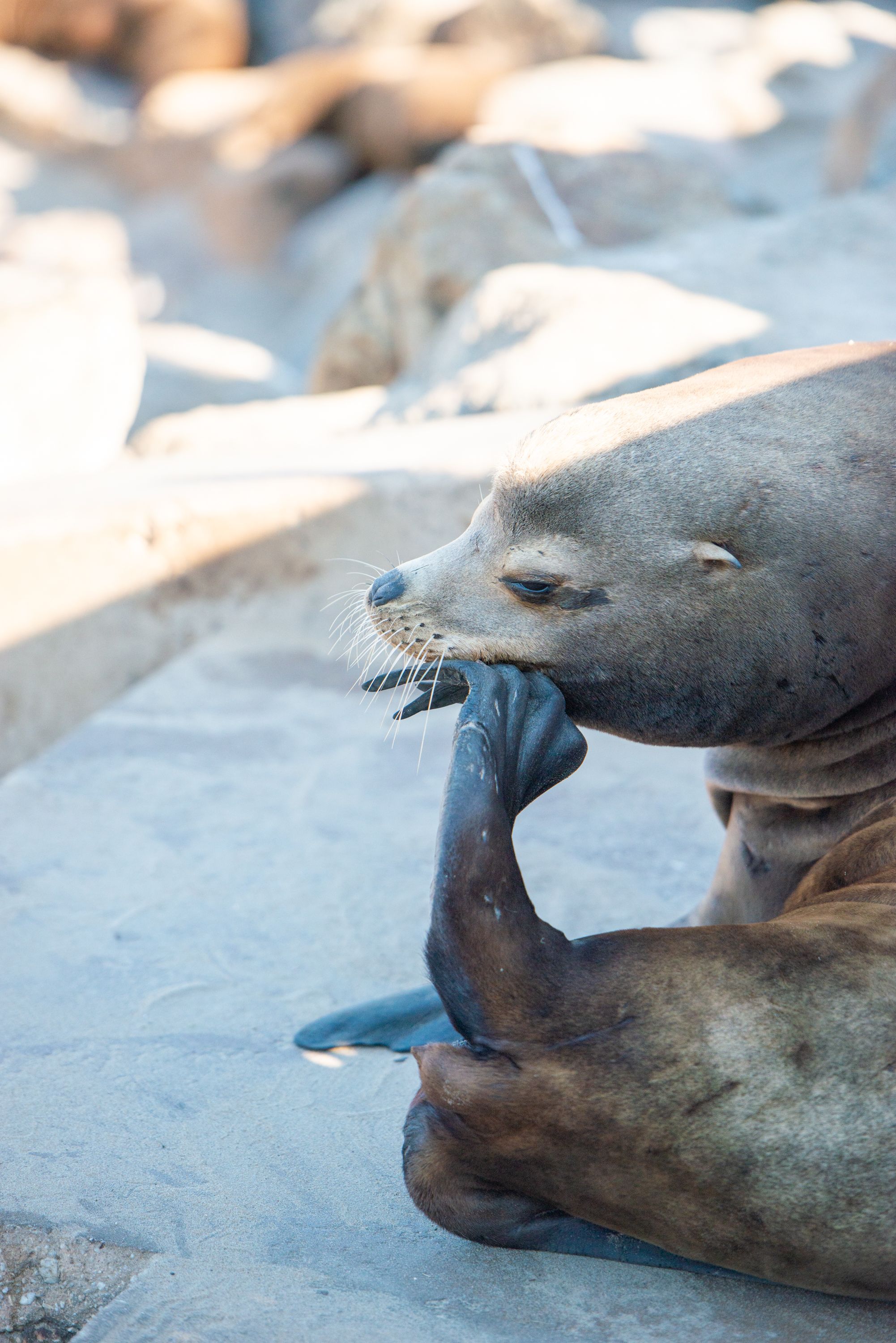
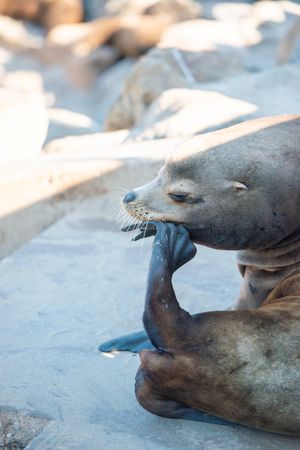
Photographing them is not just about documenting wildlife. It’s about capturing behavior and atmosphere. A sea lion yawning widely in the morning light. A young pup climbing over a resting adult. Two large males posturing and barking at each other as waves roll in behind them. These brief moments create images that feel alive.
The coastal environment adds another layer to the experience. Fog drifts across the bay in the early morning, softening the light and creating a quiet mood. In the evening, reflections form in the wet sand as the sun drops lower toward the horizon. The shapes of the sea lions—curved backs, flippers, and clustered bodies—sometimes feel almost abstract when viewed through a lens.
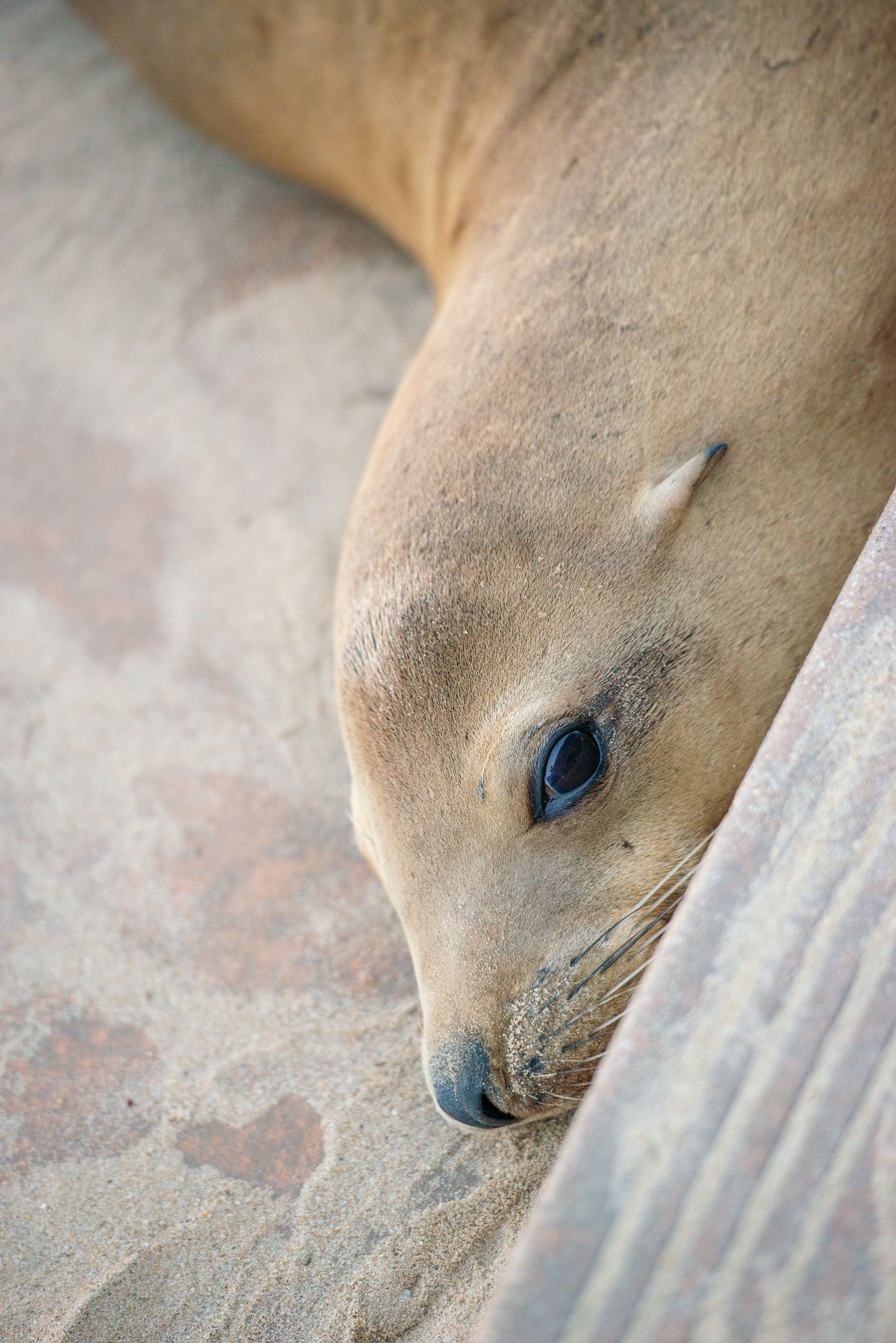
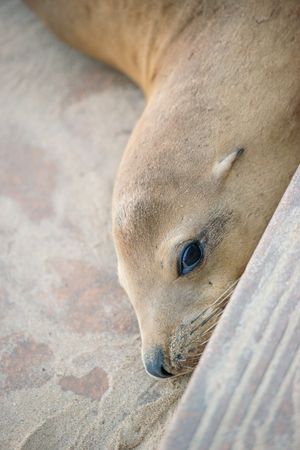
Over time, this seasonal migration has become more than a series of photographs. It has become a creative project. I’ve started thinking of it as a visual story that unfolds each year: the empty beach, the first arrivals, the crowded peak of the colony, the close-up portraits, and finally the quiet shoreline once they leave again.
What begins as a disruption to a beach routine turns into something much more meaningful. It’s a reminder that the coastline is shared with wildlife whose rhythms shape the landscape in their own way. By embracing those changes instead of resisting them, we gain the chance to see the familiar shoreline in an entirely different light.
For me, the sea lions’ annual takeover isn’t a problem. It’s an inspiration.